
When you’re gearing up for your next outdoor adventure, choosing the right footwear can make all the difference. Should you go with hiking boots that promise strong support and durability?
Or are trail runners, known for their lightness and speed, the better pick for you? This decision isn’t just about style—it affects your comfort, safety, and how far you can go. You’ll discover the key differences between hiking boots and trail runners, helping you find the perfect fit for your trail.
Keep reading to find out which shoe will best support your journey and elevate your outdoor experience.
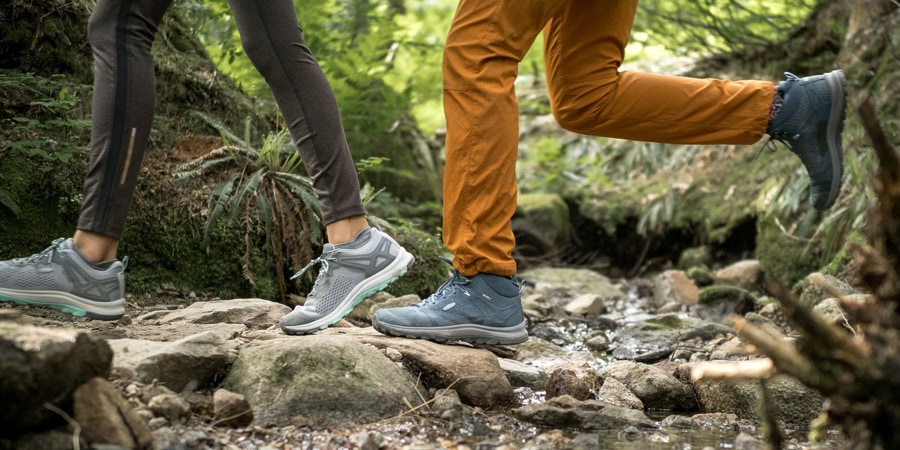
Credit: www.rei.com
Key Features Of Hiking Boots
Hiking boots are built to handle tough trails and rough conditions. Their design focuses on comfort, protection, and durability. Understanding key features helps you pick the right pair for your adventures. These features ensure safety and improve your hiking experience.
Durability And Protection
Hiking boots use strong materials like leather and tough fabrics. These materials resist cuts and tears from rocks and branches. The boots often have reinforced toes to protect feet from impacts. Waterproof layers keep your feet dry in wet conditions. Sturdy construction means boots last many hikes without wearing out.
Ankle Support And Stability
High-cut hiking boots cover the ankle for extra support. This helps prevent sprains on uneven ground. Firm padding around the ankle adds comfort and keeps the foot steady. The boots secure your foot tightly with strong laces. Stability reduces fatigue and keeps you balanced on tricky trails.
Traction And Sole Design
The soles of hiking boots have deep, aggressive lugs. These lugs grip well on mud, rocks, and loose dirt. Thick rubber soles protect your feet from sharp objects. Many soles have flexible zones for natural foot movement. Good traction reduces slipping and keeps you safe on steep paths.
Weight And Breathability
Hiking boots are heavier than trail runners but offer more protection. Some models use lightweight materials to reduce fatigue. Breathable mesh panels help air flow inside the boots. This keeps feet cooler and reduces sweat buildup. Proper ventilation prevents blisters and keeps feet comfortable.
Key Features Of Trail Runners
Trail runners have become a popular choice for many hikers who seek comfort and speed on the trail. These shoes offer unique features that make them ideal for various outdoor activities. Understanding the key features of trail runners helps in choosing the right footwear for your adventure.
Lightweight And Flexibility
Trail runners are much lighter than hiking boots. This reduces fatigue during long hikes. Their flexible design allows natural foot movement. This helps with balance on uneven surfaces. The lightweight nature also makes them easy to pack.
Midsole Cushioning
The midsole of trail runners provides excellent cushioning. It absorbs shock from rough terrain. This protects your joints and feet from impact. The cushioning supports faster and smoother steps. It also offers comfort on hard or rocky trails.
Traction On Various Terrains
Trail runners have specialized outsoles with deep lugs. These lugs grip well on dirt, mud, and rocks. Good traction prevents slipping on wet or loose ground. The soles are designed to handle different trail conditions. This ensures safer and more confident hiking.
Breathability And Quick Drying
Materials used in trail runners allow air to flow freely. This breathability keeps feet cool and dry. The shoes dry quickly after crossing streams or rain. Quick drying helps prevent blisters and discomfort. It also reduces the chance of fungal infections.
Terrain Suitability
Choosing the right footwear depends greatly on the terrain you plan to hike. Terrain suitability affects comfort, safety, and performance. Hiking boots and trail runners each have strengths on different surfaces. Understanding these can help you pick the best option for your adventure.
Rocky And Rugged Trails
Hiking boots excel on rocky, uneven ground. Their stiff soles protect feet from sharp stones. High ankle support reduces the risk of twisting ankles. Trail runners offer less protection and support here. They feel lighter but may allow more foot movement, which can cause discomfort on rough terrain.
Wet And Muddy Conditions
Waterproof hiking boots keep feet dry in wet environments. Their materials resist water and mud well. Trail runners dry faster but soak through easily. They drain water quickly, which helps on short wet sections. For long, muddy hikes, boots provide better protection and grip.
Smooth And Well-maintained Paths
Trail runners shine on smooth, packed trails. Their light weight and flexibility allow faster movement. They offer enough grip for dirt and gravel paths. Hiking boots may feel heavy and stiff here. Trail runners reduce fatigue on easy terrain, making hikes more enjoyable.
Long Distance And Backpacking
Hiking boots support heavy backpacks better. Their structure protects feet during long treks. Good cushioning and ankle support reduce soreness. Trail runners are lighter but may lack stability with heavy loads. For multi-day trips, boots often provide more comfort and safety.
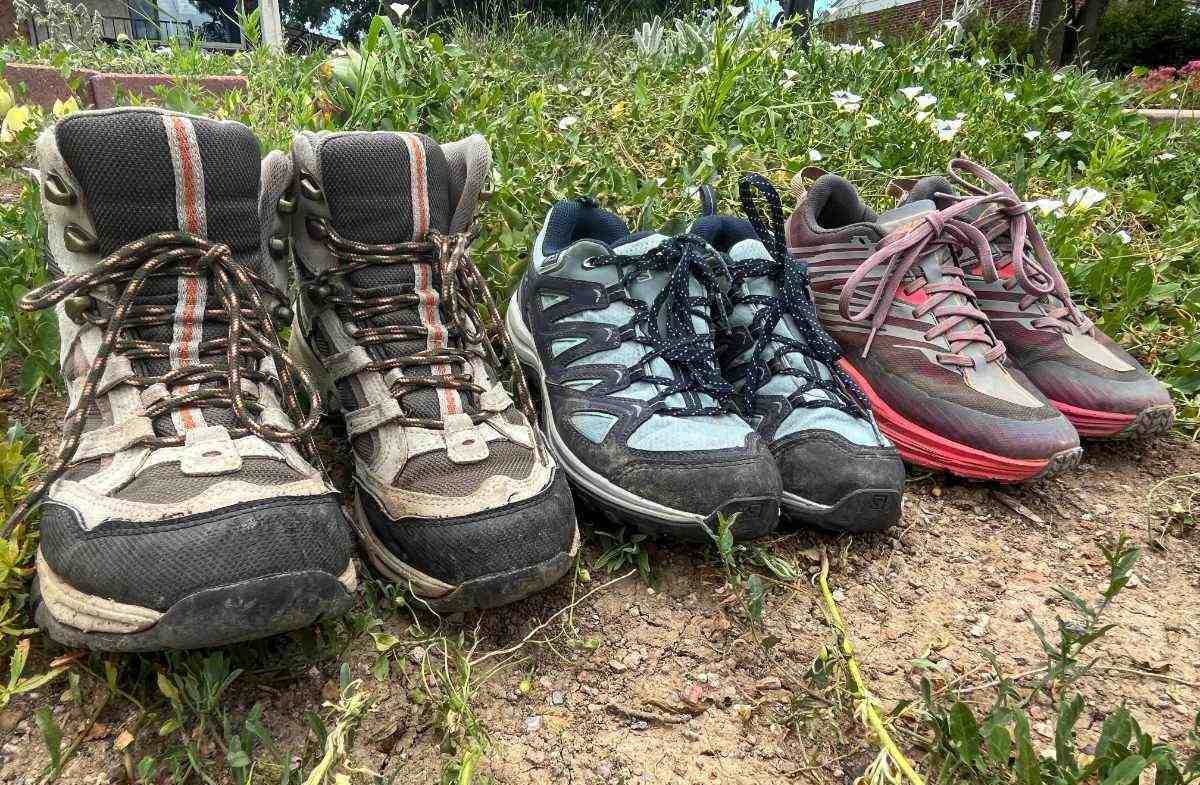
Credit: www.treelinereview.com
Comfort And Fit
Comfort and fit are key factors in choosing between hiking boots and trail runners. The right footwear can make or break your hiking experience. Comfort affects how long you can hike and how your feet feel afterward. Fit ensures the shoe supports your foot properly without causing pain or blisters.
Both hiking boots and trail runners offer unique comfort features. Knowing their differences helps you pick the best option for your trail needs.
Ankle Support Differences
Hiking boots usually provide strong ankle support. Their high-cut design protects your ankles on rough terrain. Trail runners often have a low profile. They give less ankle support but allow more freedom of movement. For uneven trails, boots reduce the risk of sprains. Trail runners suit flatter, smoother paths.
Break-in Period
Hiking boots often need a break-in period. They may feel stiff at first but soften with use. Trail runners are lightweight and flexible from the start. They require little to no break-in. This makes trail runners ideal for quick trips or beginners. Boots are better for long-term use once broken in.
Impact On Foot Fatigue
Hiking boots are heavier and can cause more foot fatigue over time. Their cushioning and support help reduce strain, especially with heavy packs. Trail runners are lighter and reduce overall leg fatigue. They absorb shock well but offer less protection. For long hikes, boots may feel tiring but safer. Trail runners keep feet feeling fresh on shorter hikes.
Sizing And Weight Considerations
Trail runners are usually lighter and less bulky than hiking boots. Their snug fit hugs the foot closely. Boots tend to be larger and heavier. Sizing boots may require extra space for thicker socks. Trail runners fit like running shoes, often true to size. Weight matters for long hikes, as lighter shoes save energy. Choose based on trail difficulty and load.
Durability And Maintenance
Durability and maintenance play a big role in choosing hiking boots or trail runners. Both types face rough conditions on trails. Understanding how each holds up and how to care for them helps extend their life. This section breaks down key points about durability and upkeep for these footwear options.
Material Longevity
Hiking boots use thick leather and tough synthetics. These materials last long against rocks and mud. Trail runners have lighter mesh and fabric. These dry fast but wear out sooner. Boots resist rough use better. Trail runners shine on smooth, less harsh trails.
Cleaning And Drying
Trail runners clean easily with a quick rinse. Their mesh dries fast, ready for the next hike. Boots need more care. Mud and dirt hide in seams and soles. Drying boots takes longer due to thick materials. Avoid direct heat to keep them in shape.
Resistance To Wear And Tear
Boots stand strong against scrapes and sharp objects. Their solid build protects feet well. Trail runners can tear or wear thin on sharp rocks. They handle soft dirt and trails better. Choose boots for rugged paths and trail runners for lighter adventures.
Repairability
Boots can be fixed easily. Resoles and patch jobs add years to their life. Trail runners have fewer repair options. Their lightweight design makes repairs harder. Repairing boots is often cheaper than buying new trail runners. This matters for those hiking often.
Performance In Different Weather
Choosing the right footwear affects your hiking experience in many weather conditions. Both hiking boots and trail runners have strengths and weaknesses in different climates. Understanding their performance in weather helps you pick the best option for your needs.
Waterproofing Options
Hiking boots often come with waterproof membranes like Gore-Tex. They keep water out during rain or river crossings. Trail runners may have waterproof versions, but they usually focus on breathability. Waterproof trail runners tend to be less durable and less breathable than boots. For wet trails, hiking boots offer better protection and dry feet less often.
Breathability In Hot Weather
Trail runners excel in breathability thanks to their lightweight mesh uppers. They allow air to flow freely, keeping feet cooler. Hiking boots have thicker materials that trap heat. On hot days, boots can cause sweaty and uncomfortable feet. Trail runners reduce overheating and help prevent blisters on warm trails.
Cold Weather Use
Hiking boots provide better insulation and ankle support in cold weather. Their robust design protects against snow and cold winds. Trail runners offer less warmth and minimal ankle coverage. They work best with warm socks but may not be enough for very cold or icy conditions. For winter hiking, boots are generally safer and warmer.
Drying Time After Exposure
Trail runners dry much faster after getting wet. Their lightweight materials and open mesh allow water to escape quickly. Hiking boots, especially waterproof ones, take longer to dry because of thicker layers. Wet boots can feel heavy and uncomfortable for hours. Fast drying trail runners help you stay comfortable during multi-day trips with wet conditions.
Cost And Value
Cost and value play a big role in choosing between hiking boots and trail runners. Both offer different benefits depending on your budget and hiking needs. Understanding price, durability, and support options helps you pick the best footwear for your adventures.
Price Range Comparison
Hiking boots usually cost more than trail runners. Entry-level boots start around $80, while high-end models can exceed $250. Trail runners often range from $60 to $150. The lower price of trail runners appeals to casual hikers and beginners.
Longevity Vs Initial Cost
Hiking boots tend to last longer. Their sturdy build withstands rough terrain and heavy use. Trail runners wear out faster, especially on rocky trails. Spending more on boots can save money over time. Trail runners may need replacement after fewer hikes.
Brand And Model Variations
Top brands offer both hiking boots and trail runners with varying features. Some models focus on waterproofing, others on breathability or weight. Brand reputation often affects price. Lesser-known brands can provide good value but check reviews before buying.
Warranty And Customer Support
Many reputable brands offer warranties on hiking boots and trail runners. Warranty length and coverage vary by brand and model. Good customer support helps with returns, repairs, or replacements. This service adds value beyond the initial purchase price.
Use Cases And User Preferences
Choosing between hiking boots and trail runners depends largely on how and where you plan to use them. Each option offers unique benefits based on specific activities and personal preferences. Understanding these factors helps hikers pick the right footwear for comfort, safety, and performance.
Day Hiking And Casual Use
For short hikes and casual walks, trail runners often suit best. They are lightweight and breathable, keeping feet cool and comfortable. Their flexible soles handle gentle trails well. Hiking boots can feel heavy and stiff on easy paths. Trail runners also dry faster after rain or stream crossings. Many users prefer trail runners for quick trips and warm weather.
Backpacking And Heavy Loads
Backpacking demands strong support and protection. Hiking boots excel here. Their sturdy build protects ankles from twists and bumps. Thick soles cushion feet during long treks with heavy packs. Boots offer better durability on rough, rocky terrain. Trail runners lack the rigid structure needed for heavy loads. Hikers carrying big backpacks usually choose boots for stability and safety.
Trail Running And Fast Hiking
Trail runners are designed for speed and agility. Their light weight and flexible design allow fast movement on trails. They provide enough grip for running on dirt, gravel, and mild rocks. Fast hikers who move quickly but do not carry heavy gear benefit from trail runners. Hiking boots slow down pace due to their bulk. Trail runners are the clear choice for speed-focused trail activities.
Specialized Military And Tactical Use
Military and tactical operations require reliable footwear for tough conditions. Hiking-style tactical boots offer a mix of support, durability, and mobility. They are lighter than standard combat boots and often have quick-dry features. Strong ankle support protects during long marches and uneven terrain. These boots provide traction on various surfaces, from wet to rocky. Trail runners rarely meet the rigorous demands of tactical environments.
Tips For Choosing Between Boots And Trail Runners
Choosing between hiking boots and trail runners can shape your outdoor experience. Each type offers unique benefits suited to different hikers and trails. This guide helps you pick the right footwear for your needs.
Assessing Your Hiking Style
Think about how often you hike and for how long. Boots suit longer, tougher hikes with heavy loads. Trail runners fit faster, lighter trips and day hikes. Your pace and pack weight influence the best choice.
Matching Footwear To Terrain
Consider the ground you will cover. Rocky, uneven paths need boots for protection and stability. Soft, smooth trails work well with trail runners that offer flexibility and breathability. Terrain type guides your footwear decision.
Considering Personal Comfort
Comfort is key for any hike. Boots provide ankle support and foot protection but may feel heavier. Trail runners are lighter and more breathable but offer less support. Choose what feels best on your feet.
Trying And Testing Footwear
Test shoes before buying. Walk on different surfaces and check fit and feel. Wear the socks you plan to use while hiking. This helps prevent blisters and discomfort on the trail.

Credit: www.youtube.com
Frequently Asked Questions
Are Trail Runners Better Than Hiking Boots?
Trail runners are lighter and more flexible, ideal for speed and comfort. Hiking boots provide better support, durability, and protection for rough terrain. Choose based on trail difficulty and personal preference.
Why Do Navy Seals Wear Hiking Boots?
Navy SEALs wear hiking boots for lightweight comfort, superior ankle support, quick-drying materials, and enhanced traction on varied terrains. These boots offer agility and durability needed for amphibious and rugged missions, outperforming traditional heavy combat boots in diverse environments.
What Is The Difference Between Hiking Boots And Trail Boots?
Hiking boots provide strong ankle support, durable soles, and protection for rough terrain. Trail boots are lighter, more flexible, and suited for less demanding trails.
Are Trail Running Shoes For Hiking?
Trail running shoes suit light hiking on well-maintained trails but lack the support and protection of hiking boots for rough terrain.
Conclusion
Choosing between hiking boots and trail runners depends on your trail needs. Hiking boots offer strong ankle support and protection on rough paths. Trail runners provide lightweight comfort and breathability for faster hikes. Consider the terrain, distance, and weather before deciding.
Both have pros and cons that suit different hikers. Your comfort and safety matter most on any trail. Try both types to find what feels best for you. Keep your feet happy and enjoy every step outdoors!