
When you’re out camping, nothing ruins the experience faster than waking up to a soggy tent. But here’s the good news: you don’t have to rely on expensive gear or professional help to keep your tent dry.
You can easily waterproof your tent yourself with just a few simple steps. Imagine staying warm and comfortable no matter how hard it rains outside—sounds great, right? In this guide, you’ll discover practical, easy-to-follow techniques to make your tent water-resistant and ready for any weather.
Keep reading, and you’ll learn how to protect your shelter, extend your tent’s life, and enjoy your outdoor adventures without worrying about leaks. Your dry, cozy nights start here!
Preparing Your Tent
Preparing your tent before waterproofing is a key step. Proper preparation ensures the waterproofing lasts longer. It also protects your tent fabric and seams from damage. Follow these steps to get your tent ready for waterproofing.
Cleaning The Fabric
Start by cleaning your tent fabric gently. Use a soft brush or sponge to remove dirt and dust. Avoid harsh detergents. Mild soap and water work best. Let the tent dry completely before moving to the next step. Clean fabric helps the waterproof coating stick better.
Inspecting For Damage
Check your tent carefully for holes or tears. Look closely at seams and corners. Small holes let water in and reduce waterproofing effects. Repair any damage with patch kits or seam tape. Fixing issues early keeps your tent strong and dry.
Choosing The Right Weather
Pick a dry, calm day for waterproofing your tent. Moisture and wind can ruin the waterproof coating. Avoid rainy or very humid days. Warm temperatures help the coating dry faster. Good weather means better results and longer protection.
Credit: www.nextgen-itsolution.com
Selecting Waterproofing Products
Selecting the right waterproofing products plays a key role in protecting your tent. Each product type offers unique benefits. Choosing the best one depends on your tent’s material and use. Proper waterproofing extends your tent’s life and keeps you dry.
Waterproof Sprays
Waterproof sprays are easy to use and quick to apply. They create a thin, water-resistant layer on the fabric. Sprays work well for light waterproofing and refreshing old tents. Choose sprays that match your tent’s fabric type. Always spray in a well-ventilated area for safety.
Seam Sealers
Seam sealers protect the weakest points of your tent. They stop water from entering through stitching holes. Seam sealers come as liquids or tapes. Apply seam sealers carefully along all seams and stitching. This method strengthens your tent against heavy rain.
Silicone And Polyurethane Coatings
Silicone and polyurethane coatings offer strong waterproof protection. These coatings form a durable, flexible layer on the fabric. Silicone keeps the tent breathable while blocking water. Polyurethane is good for heavy-duty waterproofing but may add weight. Apply coatings evenly for best results.
Applying Waterproofing Treatment
Applying waterproofing treatment to your tent is a vital step to keep you dry during outdoor adventures. This process strengthens the tent fabric against water and prevents leaks. It also extends the life of your tent by protecting it from moisture damage.
Proper application ensures the waterproof coating adheres well and covers all vulnerable areas. Focus on the fabric surface and the seams, where water often seeps through. Use the right products and follow the drying time to achieve the best results.
Spraying The Tent Fabric
Choose a waterproofing spray made for tents and outdoor gear. Spray evenly across the entire fabric surface. Hold the spray about 6 to 8 inches away from the tent. Cover all sides, including the roof and walls.
Apply light coats to avoid saturating the fabric. Let each coat settle before adding another. Pay attention to spots that get wet first during rain. These areas need extra protection.
Sealing The Seams
Seams are weak points where water can enter. Use a seam sealer designed for tents to close these gaps. Clean the seams with a damp cloth before sealing. Apply the sealer carefully along each stitch line.
Spread the sealer evenly using a small brush or applicator. Avoid thick layers that may crack after drying. Seal both inside and outside seams for full protection. Allow the sealer to set as instructed on the product label.
Drying And Curing Time
Let your tent dry completely after applying treatments. Choose a warm, shaded place with good air flow. Avoid direct sunlight, which may damage the fabric or cause uneven drying.
Drying time varies by product but usually takes 24 to 48 hours. Do not pack or use the tent until fully cured. This ensures the waterproof layer bonds well and lasts longer.

Credit: imaa.net
Extra Protection Tips
Extra protection can greatly improve your tent’s waterproofing. Simple steps add layers of defense against rain and moisture. These tips help keep your tent dry and comfortable during wet weather. Use easy methods to boost your tent’s ability to repel water.
Using A Tarp Over The Tent
Place a tarp above the tent to shield it from heavy rain. Make sure to raise the tarp slightly to allow air flow. Do not let the tarp touch the tent directly. This prevents water from seeping through and keeps the tent fabric dry. Secure the tarp with ropes or stakes to stop it from moving in strong wind.
Creating Proper Ventilation
Ventilation reduces moisture build-up inside the tent. Open vents or windows slightly even in rain. Air flow stops condensation from forming on tent walls. Use mesh panels to keep bugs out while allowing air in. Proper ventilation keeps the tent interior dry and comfortable.
Setting Up A Ground Tarp
Lay a tarp under your tent to protect from ground moisture. Choose a tarp slightly smaller than the tent floor. If the tarp is too big, water can collect between it and the tent. This can cause leaks and wet spots. A ground tarp acts as a barrier against damp soil and sharp objects.
Maintaining Tent Waterproofing
Maintaining your tent’s waterproofing is key to staying dry and comfortable during camping trips. A waterproof tent keeps rain out and protects you from damp conditions. Regular care helps keep the waterproof layers effective for longer. Small efforts can extend your tent’s life and performance significantly.
Regular Cleaning
Clean your tent after every trip. Dirt and grime can damage waterproof coatings. Use a soft brush or sponge with mild soap. Avoid harsh detergents and machine washing. Rinse thoroughly with clean water. Let your tent dry completely before storing it. Clean fabric allows waterproof treatments to stick better.
Reapplying Sealant
Check seams for cracks or peeling regularly. Seams often lose waterproofing faster than fabric. Apply seam sealer to any damaged areas. Use a product designed for your tent material. Follow the instructions carefully for best results. Reapply sealant every season or after heavy use. This keeps water from leaking through stitch holes.
Storage Advice
Store your tent dry and in a cool place. Avoid folding it tightly for long periods. Use a large storage bag or hang it if possible. Moisture and heat can break down waterproof coatings. Proper storage prevents mildew and fabric damage. Always air out your tent before packing it away.
Preventing Water Damage In Rain
Keeping your tent dry during rain is key to a comfortable camping trip. Water damage can spoil your gear and make your stay unpleasant. Simple steps can help prevent rainwater from seeping inside. Proper preparation and smart techniques protect your tent effectively.
Pitching Techniques
Set your tent on higher ground to avoid water pooling. Face the tent door away from wind and rain. Tighten all guy lines to keep fabric stretched and water-resistant. Use the rainfly correctly to cover all mesh areas. Make sure no gaps allow water inside.
Digging Drainage Trenches
Create shallow trenches around your tent to guide water away. Trenches should slope gently downhill from your tent perimeter. This stops water from collecting near your tent base. Clear debris from trenches regularly to keep water flowing. This simple step reduces flooding risk significantly.
Removing Shoes Before Entering
Keep dirt and moisture outside by removing shoes before entering. Place a mat or towel just inside the tent entrance. Wet shoes track water inside and wet the floor. Dry floors prevent damp sleeping bags and gear. This habit helps maintain a dry, cozy tent interior.

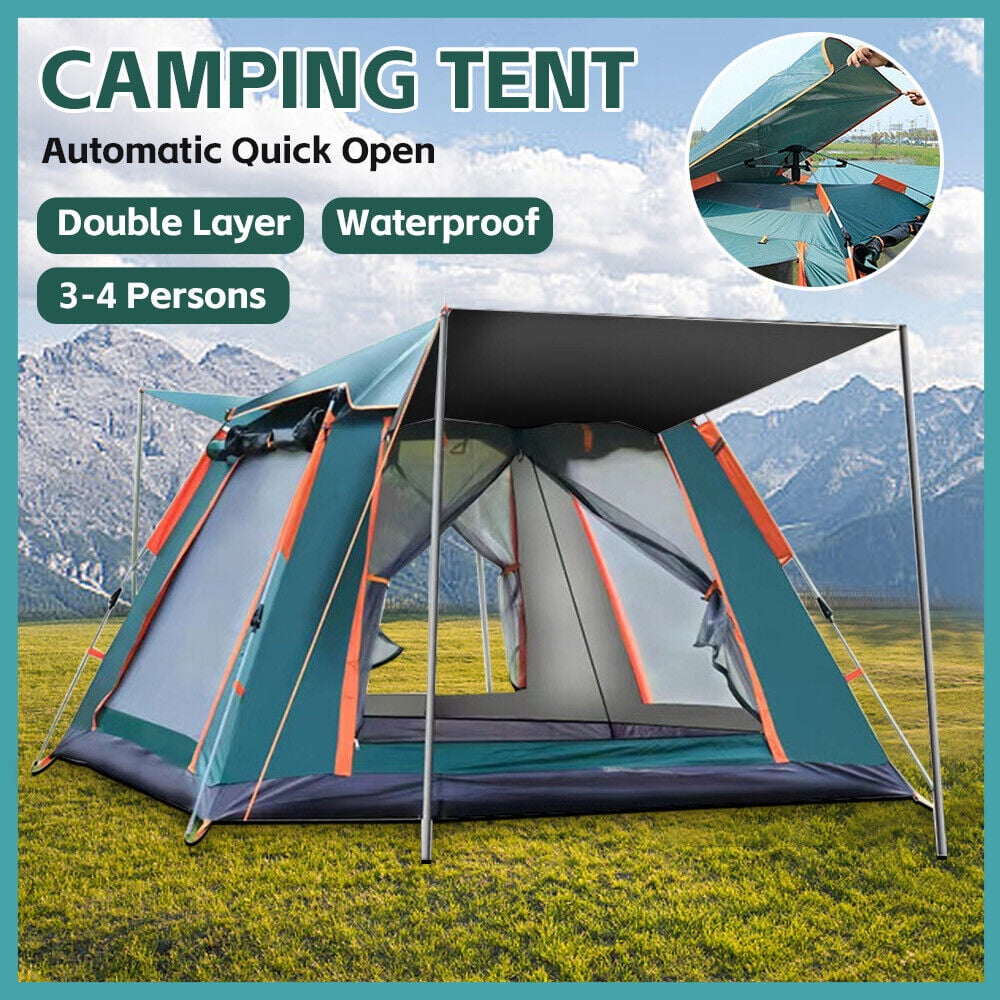
Credit: www.amazon.com
Frequently Asked Questions
How To Waterproof A Tent Diy?
Clean the tent fabric first. Apply a waterproof spray or seam sealer evenly on seams and fabric. Let it dry fully before use. Repeat yearly for best protection.
What Can I Put Over My Tent To Make It Waterproof?
Use a waterproof tarp or rainfly over your tent. Secure it with ropes or poles, keeping a gap for ventilation to prevent condensation.
How To Keep A Tent Dry In Heavy Rain?
Place a ground tarp under the tent to prevent moisture. Pitch the tent on high ground. Dig drainage trenches around it. Use a rainfly and seal all seams. Hang a tarp above the tent with space for airflow to block heavy rain effectively.
Can I Just Throw A Tarp Over My Tent?
You can throw a tarp over your tent for extra protection. Ensure it stays off the tent to allow airflow. Secure it tightly with ropes or poles to prevent water pooling and condensation inside. This setup helps shield from rain, sun, and snow effectively.
Conclusion
Waterproofing your tent protects you from rain and moisture. Regularly check seams and fabric for wear or damage. Use quality waterproof sprays or seam sealers for best results. Apply products evenly and let them dry fully before use. Proper care extends your tent’s life and keeps camping comfortable.
Stay dry and enjoy your outdoor adventures with confidence. Simple steps make a big difference in tent protection. Keep practicing these tips for better results every time.