
Planning your very first camping trip? Knowing exactly what to pack can make all the difference between a fun adventure and a stressful experience.
You want to feel prepared, comfortable, and safe, without overloading your gear. But where do you start? This guide will walk you through the essential items you need to bring, so you can focus on enjoying the fresh air, starry nights, and new memories.
Keep reading to discover the smart packing tips that will have you ready to camp like a pro on your first outing.

Credit: www.rei.com
Core Gear For Camping
Packing the right core gear sets the foundation for a successful camping trip. These essential items keep you safe, comfortable, and prepared for the outdoors. Focus on shelter, sleep, and lighting to cover your basic needs. Each piece plays a vital role and should be chosen with care.
Shelter Options
Choosing the right shelter protects you from weather and insects. A tent is the most common option, offering privacy and protection. Look for a tent that fits the number of campers and is easy to set up. Tarps provide extra coverage or can act as a simple shelter in dry conditions. Consider a groundsheet to protect your tent floor from moisture and sharp objects.
Sleeping Essentials
Good sleep helps you enjoy your camping trip fully. A sleeping bag suited to the expected temperature keeps you warm. Bring a sleeping pad or air mattress to add comfort and insulation from the cold ground. A small pillow improves rest and neck support. Pack all these items to create a cozy sleeping space.
Lighting Tools
Lighting is crucial once the sun goes down. A reliable lantern lights up your campsite evenly. Flashlights or headlamps provide focused light for tasks and walking around. Always carry extra batteries to avoid being left in the dark. Choose lightweight, durable lights that are easy to carry and use.

Credit: outdoorbeginner.com
Food And Cooking Supplies
Food and cooking supplies are essential for a successful first-time camping trip. They keep you energized and comfortable throughout your outdoor adventure. Packing the right items helps you prepare meals easily and enjoy your time in nature. Simple, practical gear and food choices make cooking at camp stress-free.
Portable Cooking Gear
Choose lightweight, compact cooking gear for easy transport. A small camping stove or portable grill works well. Don’t forget fuel canisters or charcoal, depending on your stove type. Pack basic utensils like a spatula, spoon, and knife. A lightweight pot and pan help cook a variety of meals. Bring a lighter or waterproof matches to start your fire safely. A cutting board and reusable plates keep your cooking area tidy.
Food Storage
Proper food storage keeps your food fresh and safe from animals. Use airtight containers or resealable bags to avoid spills. A cooler with ice packs is ideal for perishable items like meat and dairy. Store food in sealed containers away from your tent. Consider bear-proof containers if camping in wildlife areas. Organize food by meal to make cooking easier. Pack non-perishable snacks like nuts, dried fruit, and granola bars for quick energy.
Water And Hydration
Water is vital for drinking, cooking, and cleaning. Carry enough water for your entire trip or have a reliable water filter. Reusable water bottles or hydration packs keep you hydrated on the trail. Boil or treat water from natural sources before drinking. Pack a small container for washing dishes. Remember to drink water regularly to avoid dehydration. Staying hydrated improves your energy and mood during camping.
Clothing And Protection
Packing the right clothing and protection is key for a first-time camping trip. Proper clothes keep you comfortable and safe. They help you handle changes in weather and protect you from bugs and sun. Preparing well avoids discomfort and lets you enjoy nature more.
Weather-appropriate Layers
Bring clothes that you can add or remove easily. Start with a light base layer that moves sweat away from your skin. Add a warm middle layer like a fleece or sweater. Top it with a windproof or insulated jacket if it gets cold. Layering helps you stay warm without overheating. Choose clothes made of quick-drying materials. Avoid cotton because it stays wet and makes you cold.
Footwear Choices
Select sturdy shoes made for hiking or walking on rough paths. Good boots protect your feet and give ankle support. Waterproof shoes are best if you expect wet or muddy trails. Bring extra socks to keep feet dry and prevent blisters. Avoid new shoes that can cause discomfort or pain. Always break them in before your trip.
Rain Gear And Sun Protection
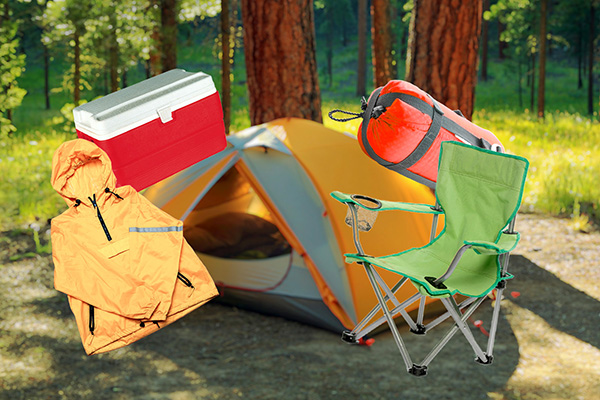
Rain can come without warning. Pack a lightweight rain jacket or poncho. Waterproof pants help keep your legs dry. Carry a wide-brimmed hat to shield your face from the sun. Use sunscreen with high SPF to protect your skin. Sunglasses protect your eyes from UV rays. Bring insect repellent to keep bugs away during your outdoor stay.
Credit: www.goldcountrycampground.com
Safety And Navigation
Safety and navigation are key parts of any camping trip. They keep you protected and help you find your way. Being ready with the right gear lowers risks and boosts confidence. Knowing what to pack for safety and navigation makes your first trip more fun and worry-free.
First-aid Kit Basics
A first-aid kit is a must-have for all campers. It should include bandages, antiseptic wipes, and pain relievers. Add tweezers, scissors, and allergy medicine. Pack extra adhesive tape and gauze pads. Keep your kit waterproof and easy to reach. Know how to use each item before you go.
Navigation Tools
Maps and compasses help you stay on track in the wild. Bring a detailed map of your camping area. Learn to read a compass and use it with your map. A GPS device is helpful but do not rely on it alone. Carry extra batteries or a power bank. Mark your campsite and trails to avoid getting lost.
Emergency Communication Devices
A phone may not always get signal in remote spots. Pack a whistle to call for help if needed. Consider a satellite messenger for emergencies. These devices send messages without cell coverage. A flashlight with extra batteries is also vital. Keep your devices charged and protected from weather.
Comfort And Convenience
Comfort and convenience play a big role in enjoying your first camping trip. Packing the right items helps you relax and feel at home outdoors. Simple comforts can make a big difference after a day of hiking or exploring. Small touches turn your campsite into a cozy retreat.
Camping Chairs And Tables
Bring lightweight camping chairs for sitting around the fire. Chairs with cup holders add extra convenience. A small folding table helps with meal prep and games. Choose foldable options to save space in your pack. These items create a comfortable spot for meals and rest.
Personal Care Items
Pack basic personal care items to stay fresh and clean. Include biodegradable soap, a toothbrush, and toothpaste. Wet wipes and hand sanitizer come in handy at the campsite. Don’t forget sunscreen and insect repellent. These items keep you comfortable and protect your skin.
Entertainment And Extras
Bring simple entertainment to enjoy downtime. A deck of cards or travel games fit easily in your bag. A book or journal offers quiet moments by the fire. A flashlight or headlamp is useful after dark. These extras add fun and comfort without extra weight.
Packing Tips And Organization
Packing for your first camping trip can feel overwhelming. Staying organized helps make the process smooth and stress-free. Good packing saves time and ensures you have everything you need. Planning your gear carefully prevents carrying too much or forgetting essentials.
Focus on packing smartly and keeping your items tidy. Use containers and bags to separate gear by type. This keeps your backpack or car organized and easy to manage.
Efficient Packing Strategies
Start with a list of all necessary items. Group similar items together, such as cooking gear, clothing, and sleeping supplies. Roll clothes to save space and reduce wrinkles. Pack heavier items at the bottom of your bag for balance. Use compression sacks to minimize bulky items. Place frequently used items on top or in easy-to-reach pockets. Avoid overpacking by sticking to essentials only.
Essential Packing List
Bring a tent, sleeping bag, and sleeping pad for shelter and comfort. Pack a flashlight or headlamp with extra batteries. Carry enough water and a way to purify it. Include basic cooking supplies like a stove, fuel, and utensils. Don’t forget weather-appropriate clothing and rain gear. Add a first aid kit and personal hygiene items. Remember navigation tools such as a map or GPS device. Keep snacks and easy-to-cook meals handy.
Weight And Space Management
Distribute weight evenly in your backpack to avoid strain. Use multi-purpose items to cut down on gear. Remove unnecessary packaging from food and supplies. Store gear inside your tent or dry bags to protect from moisture. Limit heavy items to what you truly need. Check your pack weight before leaving and adjust if too heavy. Small, lightweight gear makes hiking and camping easier and more enjoyable.
Sustainability And Leave No Trace
Caring for nature is key on your first camping trip. Sustainability and Leave No Trace guide you to protect the environment. These principles help keep campsites clean and safe for future visitors. They teach respect for plants, animals, and fellow campers.
Minimizing Environmental Impact
Choose reusable gear instead of single-use items. Stick to marked trails to avoid damaging plants. Set up your tent on durable surfaces like rock or dry grass. Avoid picking flowers or disturbing natural features. Use eco-friendly soaps and limit water use during cleaning.
Waste Management
Pack out all trash, including food scraps and packaging. Use reusable containers and bags to reduce waste. Separate recyclables if possible, and carry them home. Avoid burning trash, as it pollutes air and soil. Always bring extra bags to carry out what you bring in.
Respecting Wildlife And Other Campers
Keep a safe distance from animals and never feed them. Store food securely to prevent attracting wildlife. Keep noise levels low to avoid disturbing neighbors. Follow campsite rules about campfires and quiet hours. Respect others’ space to ensure a peaceful camping experience.
Frequently Asked Questions
What Do I Need For Camping As A Beginner?
Beginner campers need a tent, sleeping bag, groundsheet, cooking gear, flashlight, first-aid kit, and weather-appropriate clothing. Pack food, water, and a map. Bring comfort items like a sleeping pad and pillow. Prioritize safety, shelter, and cleanliness for a successful camping experience.
What Is The 3-3-3 Rule For Camping?
The 3-3-3 rule for camping means: Drink three liters of water, eat every three hours, and rest three hours each night.
What Are The 7 C’s Of Camping?
The 7 C’s of camping are Cover (shelter/clothing), Cooking, Comfort, Clothing, Cleanliness, Care (first aid/safety), and Communication. They ensure safety, hygiene, warmth, nourishment, and emergency readiness during camping trips.
What Is The 2 2 2 Rule For Camping?
The 2-2-2 rule for camping means: arrive two hours before dark, camp for two nights, and keep travel under two hours daily. This ensures safety, reduces fatigue, and allows time to enjoy your campsite fully.
Conclusion
Packing right makes your first camping trip smooth and fun. Bring shelter, food, water, and safety items first. Don’t forget comfort gear like sleeping pads and warm clothes. Keep your list simple and check it twice. Being prepared helps you enjoy nature worry-free.
Camping opens doors to new adventures and memories. Take your time packing, and get ready to explore.